Construction projects generate large amounts of mud, dust, and debris every day. Heavy trucks and construction vehicles often leave the site carrying dirt on their tires, spreading mud onto public roads and creating environmental as well as safety concerns. Installing an Automatic Wheel Washing System is one of the most effective ways to keep construction sites clean while meeting environmental regulations. Besides improving site cleanliness, it helps contractors reduce maintenance costs, enhance road safety, and maintain a professional image. As construction projects continue to grow in scale, investing in an automated cleaning solution has become more of a necessity than a luxury.

Why Every Construction Site Needs an Automatic Wheel Washing System
Every construction site deals with vehicle movement throughout the day. Excavators, dump trucks, transit mixers, and loaders continuously transport materials in and out of the site. Without proper tire cleaning, these vehicles carry mud, gravel, and dust onto nearby roads, increasing the risk of accidents and public complaints.
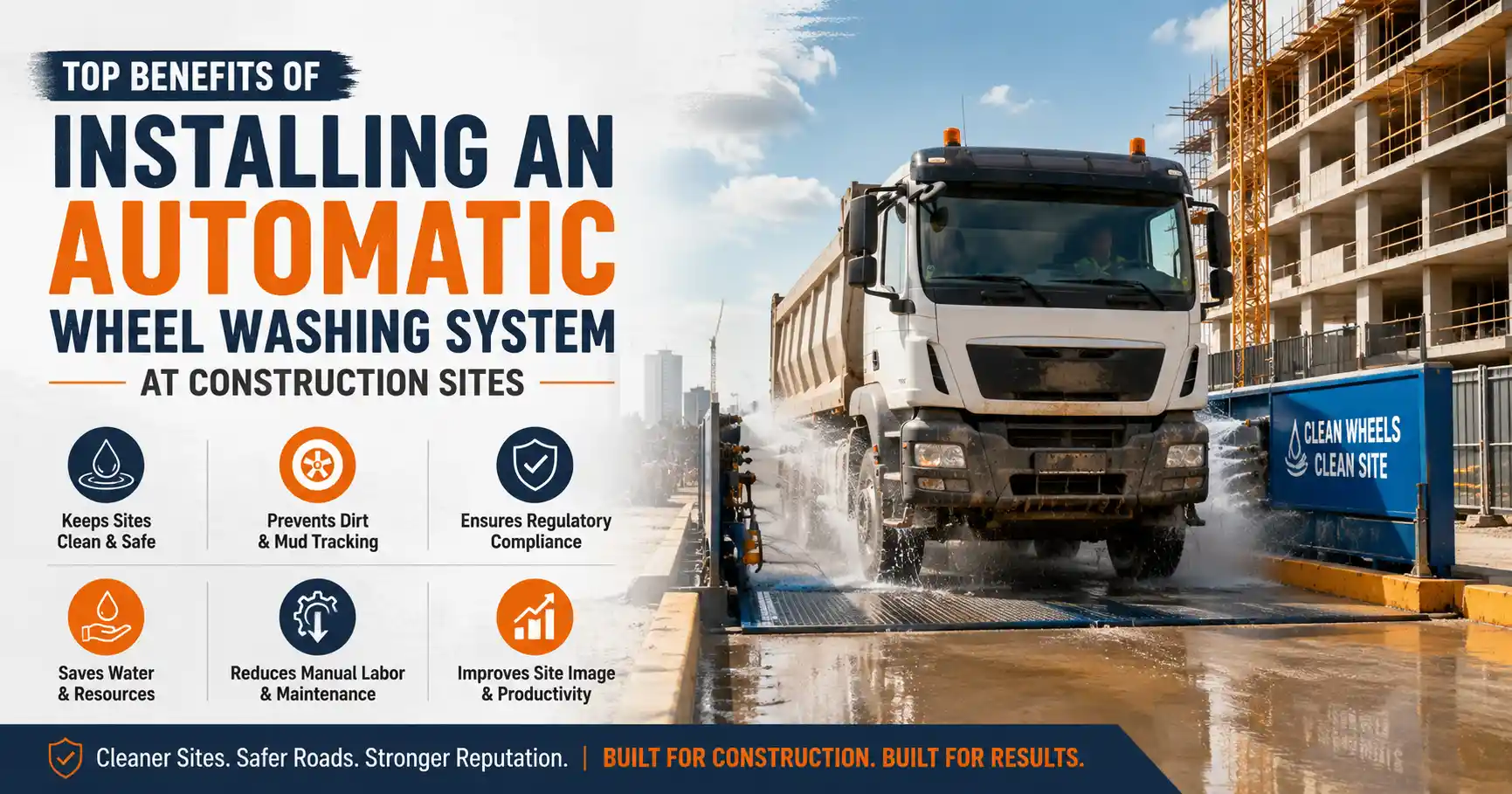
An Automatic Wheel Washing System cleans vehicle tires and undercarriages automatically before they exit the construction area. Using high-pressure water jets and an automated wash cycle, the system removes dirt efficiently without interrupting site operations. This not only keeps surrounding roads cleaner but also supports sustainable construction practices.
A well-designed Construction Site Wheel Washing System minimizes contamination leaving the project site while helping contractors comply with environmental standards. Whether it is a commercial building, mining project, highway construction, or infrastructure development, automated wheel washing plays a crucial role in maintaining site hygiene.
Top Benefits of Installing an Automatic Wheel Washing System
1. Better Construction Site Mud Control
Mud tracked onto public roads creates slippery surfaces that increase accident risks for motorists and pedestrians. It also leads to expensive road cleaning and possible penalties from local authorities.
An Automatic Wheel Washing System significantly improves Construction Site Mud Control by removing mud before vehicles leave the project. Instead of cleaning roads repeatedly, contractors can prevent the problem at its source. Effective mud management also protects stormwater drainage systems from blockages caused by soil accumulation.
2. Improved Construction Site Dust Control Solutions
Construction dust is a major environmental challenge. Fine dust particles reduce air quality, affect nearby communities, and create health risks for workers.
An automated washing system contributes to better Construction Site Dust Control Solutions by preventing dry soil from spreading outside the project boundary. Since vehicle tires are cleaned before exiting, less dust is carried onto roads where passing traffic would otherwise disperse it into the air.
Combined with water sprinklers, dust suppression systems, and proper site management, wheel washing provides a comprehensive approach to Construction Site Dust Control Solutions.
3. Compliance with Environmental Regulations
Government agencies increasingly enforce strict regulations regarding road cleanliness, dust emissions, and environmental protection. Construction companies that fail to control mud and debris may face notices, project delays, or financial penalties.
Installing a Construction Site Wheel Washing System demonstrates environmental responsibility and helps contractors meet compliance requirements more effectively. It also supports green building initiatives by reducing pollution generated outside construction boundaries.
Maintaining regulatory compliance protects both the project’s reputation and long-term operational efficiency.
4. Increased Road Safety
Mud-covered roads reduce tire traction and create hazardous driving conditions. Loose gravel and debris can also damage vehicles or cause accidents.
An Automatic Tire Wash System helps ensure that heavy vehicles leave the site with clean tires, reducing the amount of dirt deposited on surrounding roads. Cleaner roads provide better traction, improve visibility during rainy conditions, and lower maintenance requirements for municipal authorities.
Safer roads also strengthen relationships between contractors and local communities.
5. Lower Road Cleaning Costs
Cleaning nearby roads manually requires labor, water tankers, sweeping machines, and additional operational expenses. Frequent cleaning also disrupts traffic and consumes valuable resources.
By installing an Automatic Tire Wash System, contractors reduce the need for repeated external road cleaning. The savings generated over the life of a project often outweigh the initial investment in the equipment.
Additionally, automated systems recycle water efficiently, reducing overall water consumption and operational costs.
6. Faster Vehicle Movement
Modern construction schedules demand continuous movement of heavy equipment. Delays at site exits can reduce productivity and increase project timelines.
Unlike manual cleaning methods, automated wheel washing systems clean tires within seconds, allowing trucks to move quickly without long waiting periods.
This improved workflow enhances logistics, supports timely material transportation, and keeps construction activities running smoothly throughout the day.
7. Reduced Equipment Wear
Mud buildup around tires, wheel assemblies, and undercarriages accelerates wear on vehicle components. Excessive dirt may also affect braking performance and increase maintenance frequency.
Routine wheel washing extends equipment life by preventing abrasive materials from accumulating on moving parts. Cleaner vehicles require less maintenance and experience fewer breakdowns, improving fleet reliability over the duration of the project.
Explore More: Best hydroseeder machine in delhi | Industries Dust catcher | Car Wash System in Delhi
Key Features to Look for in a Wheel Wash System for Construction Sites
Choosing the right Wheel Wash System for Construction Sites ensures maximum cleaning performance and long-term reliability. Before investing, consider features such as:
- High-pressure spray nozzles for effective tire and undercarriage cleaning, automated vehicle detection, water recycling capability, corrosion-resistant construction, and easy maintenance access.
- Fast wash cycles, durable steel platforms, adjustable wash programs, energy-efficient pumps, and compatibility with different truck sizes operating on the site.
Selecting the appropriate Wheel Wash System for Construction Sites depends on project size, daily vehicle traffic, soil conditions, and environmental compliance requirements.
Long-Term Environmental and Business Benefits
Installing a wheel washing system offers advantages that extend beyond immediate site cleanliness. Contractors benefit from improved public perception, smoother regulatory inspections, reduced environmental impact, and lower operating costs.
Clean construction practices also support sustainable development goals by minimizing sediment runoff, reducing particulate emissions, protecting nearby ecosystems, and preserving public infrastructure.
Many leading contractors integrate automated wheel washing into their environmental management plans because it delivers measurable improvements in both operational performance and community relations.
Companies like Automeck provide advanced wheel washing technologies designed to meet the demanding requirements of modern construction projects while improving efficiency and compliance.
Choosing the Right Automatic Wheel Washing System for Your Project
Every construction project has unique requirements based on vehicle volume, soil type, available space, and regulatory standards. Selecting the right Automatic Wheel Washing System involves evaluating water recycling capabilities, wash cycle speed, maintenance requirements, durability, and compatibility with different types of heavy equipment.
A properly selected system delivers consistent cleaning performance throughout the project lifecycle while supporting productivity and environmental compliance. Investing in a high-quality solution today can help contractors reduce long-term operating costs and maintain cleaner, safer project sites.
Conclusion
A modern Automatic Wheel Washing System is a practical investment for construction companies aiming to improve site cleanliness, reduce environmental impact, and maintain regulatory compliance. From effective mud removal and dust suppression to lower maintenance costs and enhanced road safety, the benefits extend well beyond keeping vehicle tires clean. By implementing automated wheel washing as part of a comprehensive site management strategy, contractors can protect nearby communities, improve operational efficiency, and support sustainable construction practices without compromising productivity.
Frequently Asked Questions
1. What is an Automatic Wheel Washing System?
An Automatic Wheel Washing System is an automated solution that cleans vehicle tires and undercarriages before they exit construction sites, preventing mud and debris from reaching public roads.
2. Why is wheel washing important at construction sites?
It helps control mud, reduce dust, improve road safety, protect the environment, and ensure compliance with local construction regulations.
3. Does a wheel washing system recycle water?
Yes. Most modern systems include water recycling features that minimize freshwater consumption while maintaining effective cleaning performance.
4. Which vehicles can use a construction wheel wash system?
Dump trucks, concrete mixers, excavators, trailers, loaders, and other heavy construction vehicles can use these systems.
5. How does an automatic system improve construction efficiency?
Automated cleaning reduces vehicle waiting time, minimizes manual labor, lowers road cleaning costs, and keeps construction operations running smoothly.